
Panasonic Ducted Air Conditioner Manual: A Comprehensive Guide
This manual details product specifications, installation, operation, and troubleshooting for Panasonic home air conditioners, including air curtain and RV models.
Understanding Your Panasonic Ducted System
Panasonic ducted air conditioning offers efficient, versatile comfort by distributing conditioned air through a network of ducts. These systems integrate an indoor air handler, an outdoor condenser, and ductwork with grilles. Proper installation is crucial; incorrect setups lead to leakage and noise. This guide provides detailed information on components, operation, and maintenance, ensuring optimal performance and longevity of your Panasonic system. Familiarizing yourself with these aspects will maximize comfort and efficiency.
Key Features and Benefits of Panasonic Ducted Air Conditioning
Panasonic ducted systems provide a seamless blend of efficiency, versatility, and aesthetics, offering superior home comfort. These systems are known for quiet operation and consistent temperature distribution. While typically a larger investment, ducted air conditioning is one of the most effective heating and cooling options available. Benefits include discreet operation and potential energy savings through optimized settings and smart home integration capabilities.
System Components: A Detailed Overview
A Panasonic ducted system comprises several key components working in harmony. These include the indoor unit (air handler), the outdoor unit (condenser), and a network of ductwork with strategically placed grilles. Each air handling unit requires careful installation to prevent air leakage and noise. Multi-split units utilize multiple indoor units connected to a single outdoor unit, offering zoned climate control.
Indoor Unit (Air Handler) Specifications
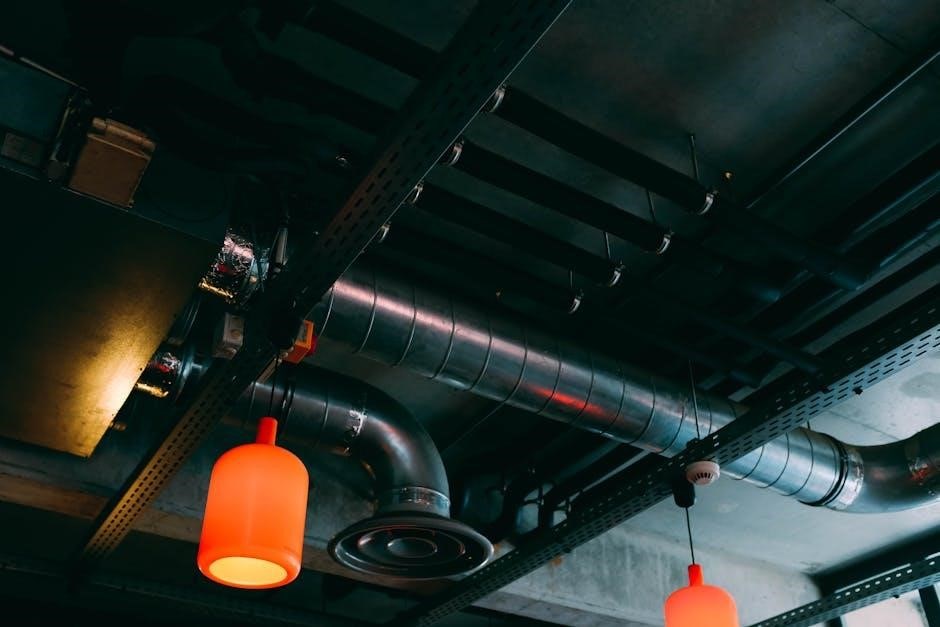
Panasonic indoor units, or air handlers, distribute conditioned air throughout your home via ductwork. Proper installation is crucial; incorrect fitting leads to air leakage and casing blow marks. These units vary in capacity, measured in BTUs, and airflow rates (CFM). Detailed specifications, including dimensions and electrical requirements, are found within the product documentation accompanying each model.
Outdoor Unit (Condenser) Specifications
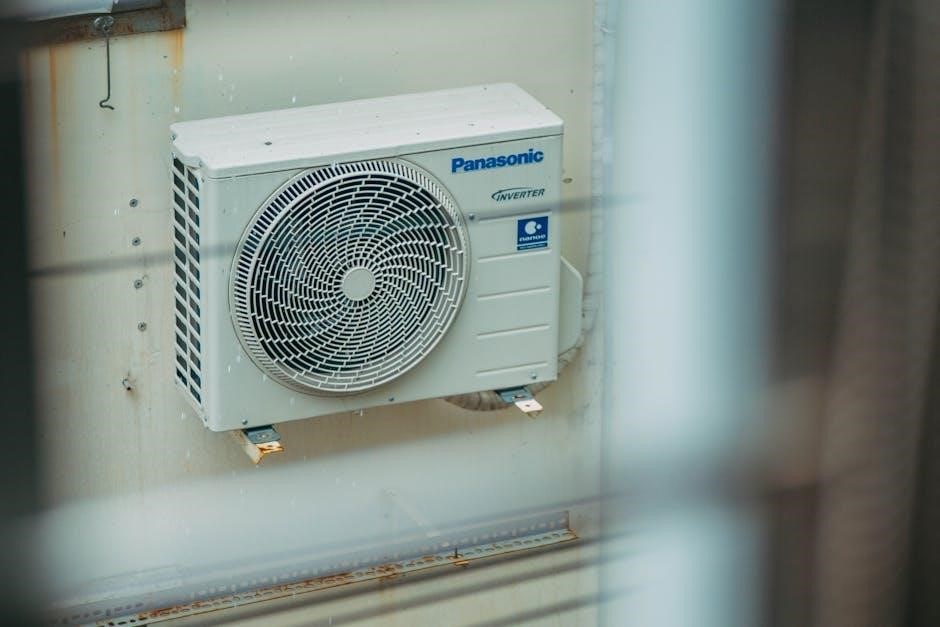
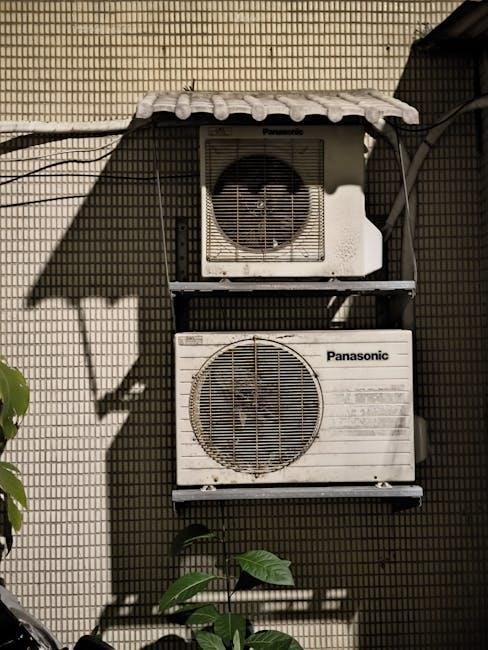
Panasonic outdoor condenser units house the compressor and heat exchange coil. Specifications detail cooling and heating capacity (BTUs), power requirements, refrigerant type, and physical dimensions. Proper placement is vital for efficient operation, ensuring adequate airflow and avoiding obstructions. Refer to the unit’s documentation for specific electrical connections and safety precautions regarding refrigerant handling.
Ductwork and Grille Systems
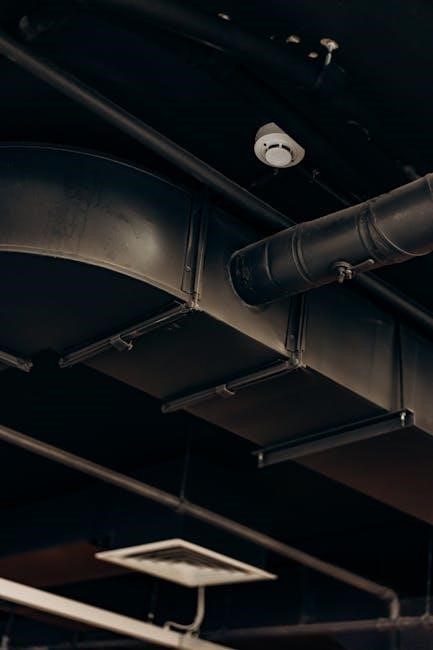
Effective ductwork is crucial for optimal performance of your Panasonic ducted system. Proper installation prevents air leakage and noise. Grille selection impacts airflow distribution and comfort levels throughout your home. Ensure ducts are correctly sized and insulated, following best practices for installation. Incorrect installation leads to inefficiencies and potential system damage, impacting overall cooling and heating.
Installation Guide: Essential Steps
Professional installation is highly recommended for Panasonic ducted air conditioning systems to ensure optimal performance and longevity. This guide outlines essential steps, including electrical connections and ductwork best practices. Proper wiring and adherence to safety guidelines are paramount. Focusing on installs allows professionals to handle paperwork and client communication, streamlining the process for subcontractors.
Professional Installation Recommendations
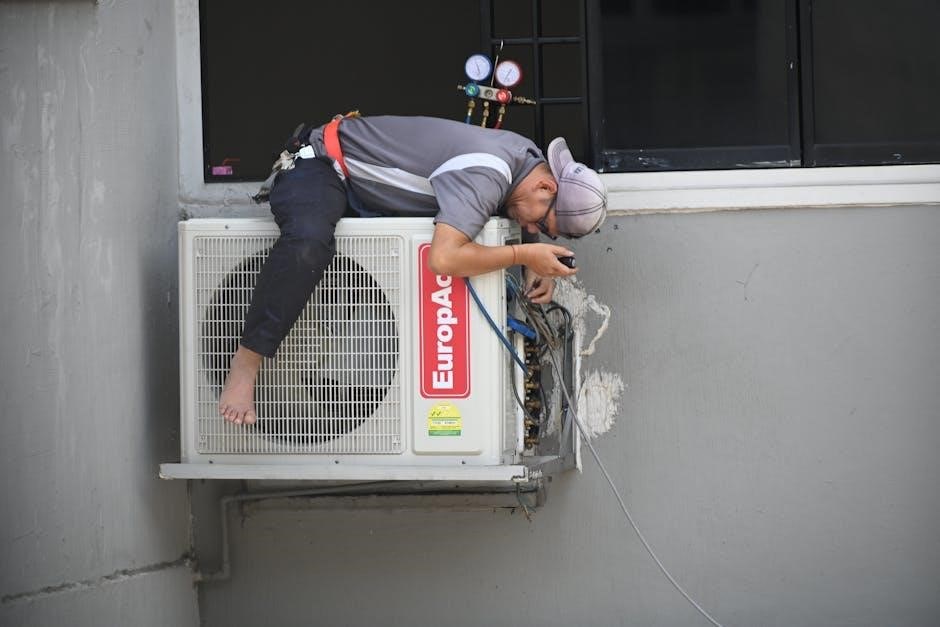
Engage qualified technicians experienced with Panasonic systems for optimal results; Incorrect installation leads to air leakage, noise issues, and reduced efficiency. Subcontractors in Mandurah can find steady work partnering with reliable local companies. Prioritize first-fix completion – framing, wiring, and ducting – before plasterboard installation for a seamless, bespoke unit integration.
Electrical Connections and Requirements
Proper electrical work is crucial for safe and efficient operation. The manual details specific requirements for each model, including cable sizing and circuit breaker specifications. Multi-split unit installations necessitate careful attention to electrical cable usage. Always adhere to electrical safety guidelines and local regulations during connections. Incorrect wiring can cause system failure or pose a safety hazard.
Ductwork Installation Best Practices
Optimal ductwork is vital for system performance. Incorrect installation leads to air leakage, noise, and reduced efficiency. Ensure proper sealing of all duct joints and connections. Maintain appropriate duct sizing as per specifications to avoid airflow restrictions. Careful planning and execution are essential for a quiet and effective ducted system, maximizing comfort and minimizing energy waste.
Operating Instructions: Getting Started
To begin, familiarize yourself with the remote control functions for seamless operation. Adjust temperature and fan speed to achieve desired comfort levels. Explore the versatile mode selection – Cool, Heat, Auto, and Dry – to suit varying environmental conditions. Proper understanding of these controls ensures efficient and personalized climate control within your home, maximizing the system’s benefits.
Remote Control Functions Explained
The remote is your central command for the Panasonic ducted system. Buttons control power, mode selection (Cool, Heat, Auto, Dry), temperature adjustments, and fan speed. Utilize the timer function for scheduled operation, enhancing convenience and energy savings. Explore additional settings for personalized comfort, optimizing airflow and system performance. Understanding each function unlocks the full potential of your air conditioning.
Setting Temperature and Fan Speed
Adjusting temperature is simple using the up/down buttons on the remote, displayed clearly on the unit. Fan speed offers multiple levels – Auto, Low, Medium, and High – for customized airflow. ‘Auto’ intelligently adjusts speed based on temperature difference. Experiment to find your ideal balance between comfort and energy efficiency. Precise control ensures a consistently pleasant indoor climate tailored to your preferences.
Mode Selection: Cool, Heat, Auto, Dry
Panasonic systems offer versatile modes. ‘Cool’ provides standard air conditioning. ‘Heat’ delivers warming comfort. ‘Auto’ intelligently switches between cooling and heating to maintain your set temperature. The ‘Dry’ mode reduces humidity without significant temperature change, ideal for damp climates. Selecting the appropriate mode optimizes performance and ensures efficient operation, catering to diverse weather conditions and personal comfort needs;
Maintenance and Troubleshooting
Regular maintenance ensures optimal performance. Key tasks include frequent air filter cleaning or replacement to maintain air quality and efficiency; Periodic coil cleaning prevents buildup and maintains cooling capacity. Addressing common issues promptly, like airflow problems or unusual noises, can prevent larger repairs. This section details procedures and solutions for typical problems, helping you maintain a comfortable and efficient system.
Air Filter Cleaning and Replacement
Maintaining clean air filters is crucial for system efficiency and air quality. Regularly inspect filters – typically monthly – and clean or replace them as needed. Dirty filters restrict airflow, reducing cooling performance and potentially damaging the unit. Follow the manual’s specific instructions for filter access and replacement, ensuring the correct filter type is used for optimal results.
Coil Cleaning Procedures
Regular coil cleaning maximizes efficiency and extends the lifespan of your Panasonic ducted system. Both the indoor (evaporator) and outdoor (condenser) coils accumulate dust and debris. Turn off power before cleaning. Use a soft brush or coil cleaner specifically designed for air conditioners, following product instructions carefully. Avoid bending the fins. Professional cleaning is recommended annually for optimal performance.
Common Issues and Solutions
Several issues can arise with Panasonic ducted systems. Insufficient cooling often stems from dirty air filters or coils – clean or replace them. Unusual noises may indicate loose parts; contact a professional. If the unit isn’t turning on, check the power supply and circuit breaker; Error codes (see section on decoding) provide specific diagnostic clues. Always prioritize safety and consult a qualified technician for complex repairs.
Understanding Error Codes
Panasonic ducted systems utilize error codes displayed on the unit to signal malfunctions. These codes are crucial for pinpointing the problem, ranging from sensor failures to refrigerant leaks. Decoding these messages allows for targeted troubleshooting, potentially avoiding costly service calls. Refer to the detailed error code table within this manual for specific explanations and recommended solutions. Ignoring error codes can lead to further damage.
Decoding Error Messages on the Display
The display panel presents error codes as alphanumeric combinations, each representing a specific system fault. For instance, a code might indicate a sensor issue, communication error, or compressor problem. This manual provides a comprehensive table translating each code into plain language, detailing the likely cause and suggested initial troubleshooting steps. Accurate interpretation is vital for efficient repair and restoring optimal performance.
Troubleshooting Based on Error Codes
Once an error code is identified, consult the detailed troubleshooting guide within this manual. Each code corresponds to specific diagnostic procedures, ranging from simple checks like filter cleanliness to more complex steps involving electrical connections or refrigerant levels. Caution: Some repairs require qualified technicians; attempting unauthorized fixes may void the warranty and pose safety risks.
Advanced Features and Settings
Panasonic ducted systems offer programmable timer functionality for automated operation, optimizing comfort and energy savings. Explore energy-saving modes to reduce consumption without sacrificing performance. Furthermore, investigate smart home integration capabilities, allowing control via compatible devices. These advanced settings enhance user experience and provide personalized climate control, maximizing efficiency and convenience.
Timer Functionality and Programming
Utilize the timer to schedule operation, automating comfort and reducing energy waste. Program start and stop times to align with your daily routine. The system allows for flexible scheduling, including daily and weekly settings. Precise programming ensures the unit operates only when needed, maximizing efficiency and providing a consistently comfortable indoor environment. Explore advanced timer options for customized control.
Energy Saving Modes and Optimization
Panasonic ducted systems offer features designed to minimize energy consumption. Explore ‘Eco’ modes that intelligently adjust cooling or heating output. Optimize performance by ensuring proper insulation and ductwork sealing to prevent air leakage. Regularly cleaning air filters maintains efficiency. Smart controls allow remote adjustments, preventing unnecessary operation. These features contribute to lower energy bills and a reduced environmental impact.
Smart Home Integration Capabilities
Panasonic ducted air conditioners can integrate with various smart home ecosystems. Control your system remotely via smartphone apps, adjusting temperature and fan speed. Voice control compatibility with assistants like Google Assistant or Amazon Alexa offers hands-free operation. Schedule automated settings for optimal comfort and energy savings. Monitor system performance and receive alerts through integrated platforms, enhancing convenience and control.
Safety Precautions
Prioritize electrical safety during installation and maintenance; disconnect power before any work. Refrigerant handling requires certified technicians due to potential hazards – avoid leaks and follow proper disposal procedures. Ensure adequate ventilation during operation. Never attempt to repair electrical components yourself. Adhere to all local and national safety codes. Improper handling can lead to serious injury or system damage.
Electrical Safety Guidelines
Always disconnect power at the breaker before servicing. Verify proper grounding of all components to prevent electrical shock. Use appropriately sized wiring and circuit breakers as specified in the installation guide. Never work with wet hands or in damp environments. Inspect wiring for damage before connecting. Ensure all electrical connections are secure and insulated. Follow local electrical codes strictly for safe operation.
Refrigerant Handling Warnings
Refrigerant requires specialized handling; only certified technicians should service the system. Avoid direct contact with refrigerant as it can cause frostbite. Do not release refrigerant into the atmosphere – it’s environmentally damaging and illegal. Ensure adequate ventilation during any refrigerant handling procedures. Properly dispose of refrigerant according to local regulations. Leaks must be addressed immediately by a qualified professional.
Warranty Information
Panasonic provides a warranty covering defects in materials and workmanship for a specified period. Coverage details and limitations are outlined in the separate warranty document included with your system. The warranty is valid only if the unit is installed by a certified professional. To initiate a claim, retain proof of purchase and contact Panasonic customer support, following their required procedures.
Coverage Details and Limitations
Panasonic’s warranty typically covers compressor failures and component defects for a defined timeframe, often differing for parts and labor. Limitations include damage from improper installation, misuse, power surges, or lack of regular maintenance. The warranty doesn’t cover cosmetic issues or normal wear and tear. Registration within a specific period is often required for full coverage.
Claim Process and Requirements
To initiate a warranty claim, contact Panasonic’s customer support with proof of purchase and the unit’s serial number. A qualified technician may be required to diagnose the issue. Requirements include a detailed description of the problem, installation date, and adherence to recommended maintenance. Retain all documentation related to the repair for potential follow-up.
Part Replacement Information
Genuine Panasonic parts are crucial for maintaining system performance and warranty validity. Identifying the correct replacement part requires the model number and part description from the unit. Sourcing these parts can be done through authorized Panasonic distributors or service centers. Using non-genuine parts may void the warranty and compromise the system’s efficiency and longevity.
Identifying Replacement Parts
Accurate part identification begins with locating the unit’s model number, typically found on the indoor or outdoor unit’s nameplate. Cross-reference this with the parts list in the manual or on the Panasonic website. Note the specific part description and any associated codes. Detailed diagrams within the manual aid in visually confirming the correct component before ordering, ensuring compatibility and proper fit.
Sourcing Genuine Panasonic Parts
Genuine Panasonic parts guarantee optimal performance and maintain warranty validity. Authorized Panasonic dealers are the preferred source, offering expert advice and authentic components. Online retailers specializing in HVAC parts can also be reliable, but verify authenticity. Avoid non-authorized sources to prevent compatibility issues or reduced system efficiency. Prioritize quality and reliability when replacing components for long-term system health.
Installation for Air Curtain Models (FM-3509-L/Y – FM-3520-L/Y)
Proper installation of FM-3509-L/Y to FM-3520-L/Y air curtains requires precise dimensions for optimal performance. The documentation provides detailed diagrams to ensure correct mounting and secure placement. Carefully follow the instructions regarding clearances and structural support. Incorrect installation can lead to reduced efficiency and potential operational issues. Verify all connections are secure before operation, prioritizing safety and effectiveness.

RV Roof Top Air Conditioner Installation
This section provides comprehensive instructions for installing a Panasonic rooftop air conditioner in recreational vehicles (RVs). The guide details essential steps, covering mounting procedures, electrical connections, and sealing techniques to prevent leaks. Ensure the RV roof can support the unit’s weight. Follow all safety precautions during installation, particularly regarding electrical work and roof access. Proper installation guarantees efficient cooling and prevents damage.
Multi-Split Air Conditioning Unit Installation
This guide details the installation of Panasonic multi-split air conditioning units, supporting systems with up to three indoor units. It emphasizes proper electrical cable usage and connections for each component. Carefully follow the diagrams and instructions for refrigerant piping and wiring. Ensure correct vacuuming and charging procedures are followed. Professional installation is recommended to guarantee optimal performance and prevent system failures.
Ducted Air Conditioning System Costs
Ducted air conditioning represents a significant investment, typically exceeding the cost of other cooling options. Factors influencing the price include system size, complexity of ductwork, and installation labor. Consumer Reports emphasizes the importance of selecting durable systems to justify the expense. Careful consideration of long-term energy savings and potential repair costs is crucial when budgeting for a Panasonic ducted system.
Choosing the Right System for Your Home
Selecting the ideal Panasonic ducted air conditioning system requires careful evaluation of your home’s size, insulation, and climate. Consider factors like the number of rooms, window placement, and local weather patterns. Ducted systems offer efficient, whole-home comfort, but proper sizing is essential. Professional assessment ensures optimal performance and avoids unnecessary energy consumption, maximizing the system’s benefits for your specific needs.
Air Conditioning Subcontractor Opportunities
Are you an air-con subcontractor in Mandurah seeking consistent work? We offer a reliable partnership, handling paperwork and client communication, allowing you to focus solely on installations. Benefit from a steady stream of projects with a local company. If you’re skilled in ducted air conditioning installation and prioritize quality workmanship, we encourage you to explore this opportunity for collaborative growth.